Professional burnout and exhaustion
A persistent state of depleted energy and cynicism that does not resolve with rest. We work with the deep mechanisms of excessive control, unrealistic perfectionism, and difficulty setting boundaries.
Institute of Psychotherapy · Warsaw
We work beneath the surface of the habits that once built your success, but now weigh you down.
Decision-making pressure, over responsibility, and burnout give way to a structured process with a clear objective: lasting mental resilience and full autonomy in every decision you make.


Specializations
A persistent state of depleted energy and cynicism that does not resolve with rest. We work with the deep mechanisms of excessive control, unrealistic perfectionism, and difficulty setting boundaries.
Paralysis in the face of key decisions, a constant sense of risk, and the psychological cost of leadership loneliness. We reduce decision-making tension and restore clarity of thought.
The compulsion to remain constantly present at work and an unconscious identification of personal worth with the organization's results. We reorganize rigid patterns and build lasting psychological autonomy.
From practice
It affects people at every level of responsibility - regardless of the scale of their success. In this conversation series, Karolina Misztal, founder of the Liberté Institute, discusses symptoms that are easy to overlook, how to respond, and who to contact when you recognize them.
The conversation is available in Polish.

What we help with
We provide long-term psychotherapy for adults. Below you'll find our areas of specialization and understand how we can help you.
We work with, among others:
low mood, loss of energy, including forms that are hard to recognize on one's own, such as dysthymia or chronic withdrawal from social life
heightened tension, excessive worrying, avoidance of situations that were once unproblematic
existential crisis, resignation-oriented thoughts, a sense of meaninglessness that appears despite outward stability
recurring patterns of conflict, difficulty building satisfying close relationships
rigid, repeating patterns of response that impair functioning (in particular borderline and narcissistic personality)
past experiences that still affect current difficulties in functioning
We work exclusively with adults, in Polish and English, and do not provide therapy for children, adolescents, or families.
If you feel that your difficulty doesn't fit exactly into any of the points above, or spans several of them, and you're not sure where to start - book a free phone consultation. An initial conversation will help establish whether and how we can help.
Process
5-7 diagnostic sessions (including the STIPO-R protocol), assessment of personality structure and defense mechanisms, and identification of the real need for therapy.
The culmination of the interview: a psychodynamic and nosological diagnosis, giving full clinical clarity about the areas to work on.
Concrete, realistic goals and a contract defining the frequency of sessions and the organizational and financial framework.
A regular process (1-2x/week), analysis of relationships and unconscious mechanisms, and cyclical evaluation of progress.
A gradual closing of the process, consolidating change and full autonomy.
A reliable diagnosis before starting the actual work helps avoid therapy conducted "by feel". You know what we're working on, why, and how we'll know the process is working - and the decision about long-term collaboration is made based on clinical facts, not the impression from the first meeting.
To learn more about the process and method, check the Therapy pageTeam
Psychologists and psychotherapists working in evidence-based methods, at least in their second year of psychotherapy training, with ongoing supervision.
 learn more
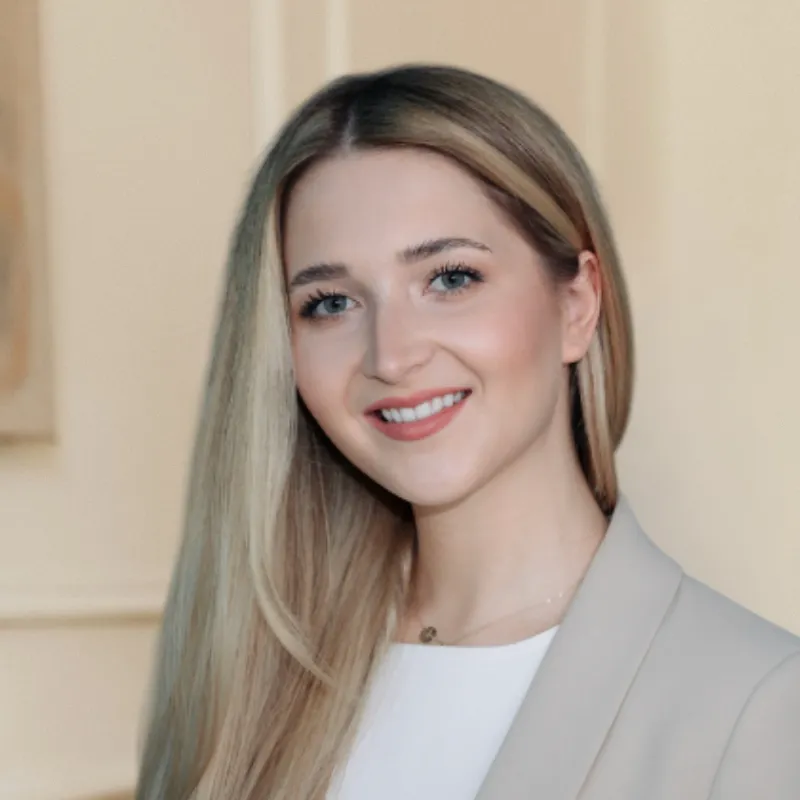
PSYCHOLOGIST AND PSYCHOTHERAPIST
NURT POZNAWCZO-BEHAWIORALNY (CBT) DOŚWIADCZENIE KORPORACYJNE
Posiada doświadczenie biznesowe, specjalizuje się w pracy z osobami ze środowiska biznesowego oraz korporacyjnego.
 learn more
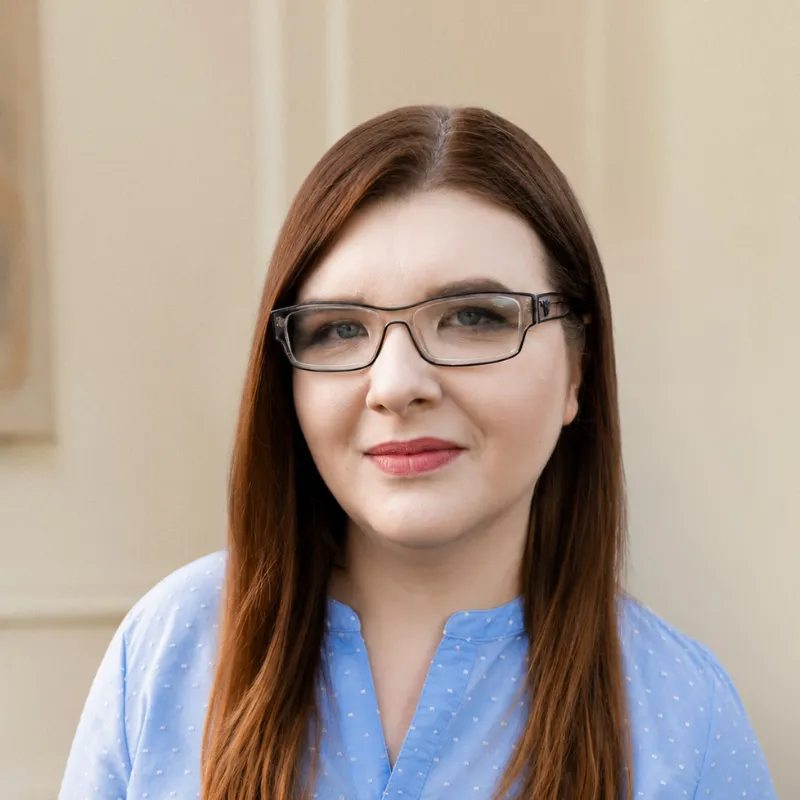
PSYCHOLOGIST AND PSYCHOTHERAPIST
NURT PSYCHODYNAMICZNY
Psycholog, psychoterapeutka psychodynamiczna. Prowadzi długoterminowe procesy osób dorosłych w podejściu opartym na dowodach.
 learn more
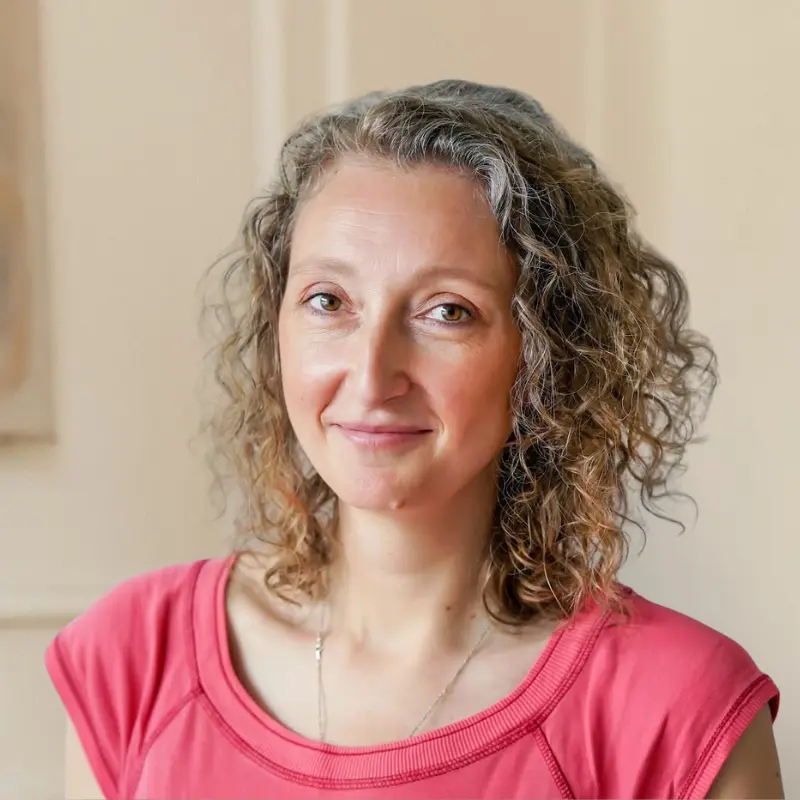
PSYCHOLOGIST AND PSYCHOTHERAPIST
NURT PSYCHODYNAMICZNY I TFP
Prowadzi długoterminowe procesy psychodynamiczne. Praca nad wzorcami relacyjnymi i strukturą osobowości.
 learn more
PSYCHOLOG I PSYCHOTERAPEUTA
NURT PSYCHODYNAMICZNY I TFP DOŚWIADCZENIE BIZNESOWE I KORPORACYJNE
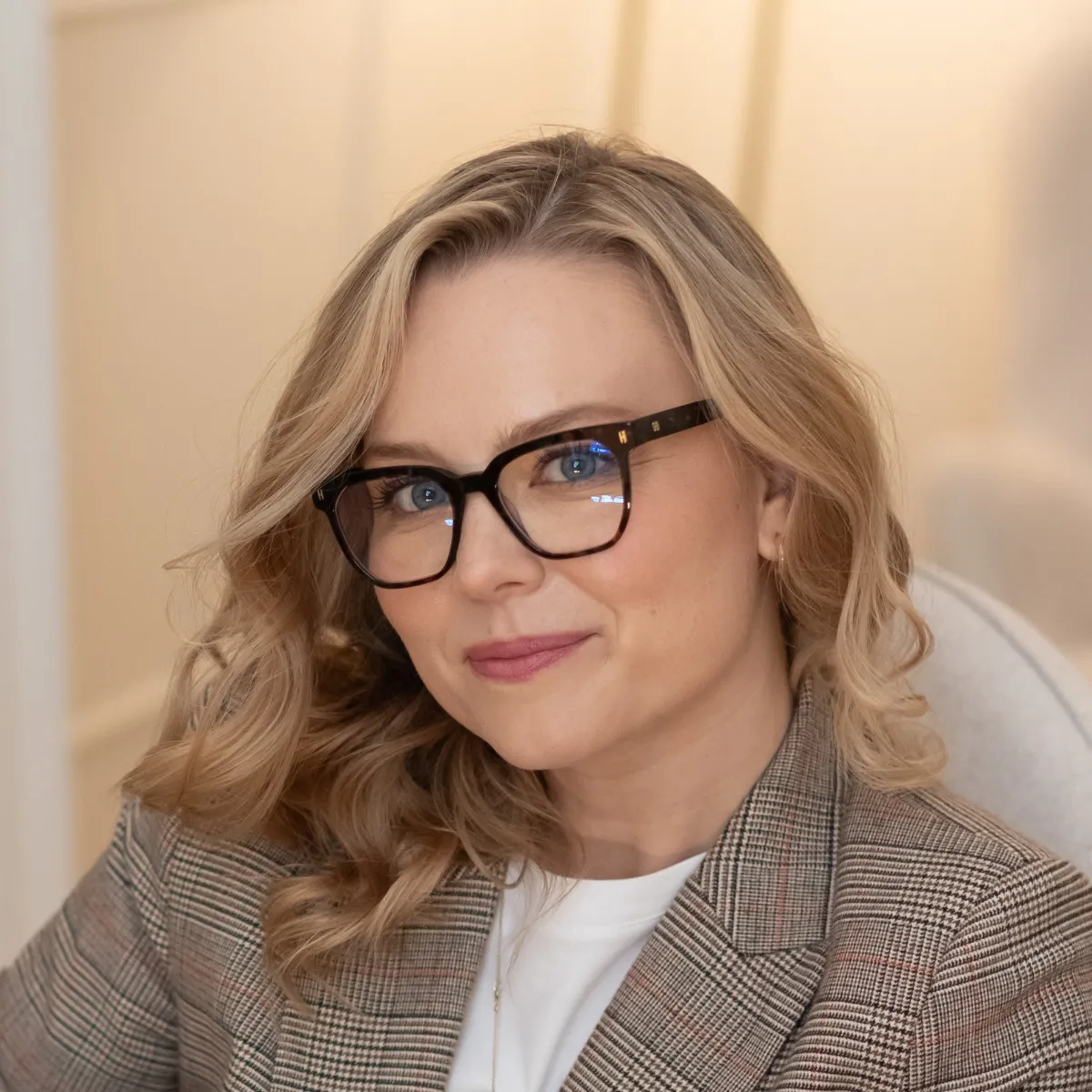
Założycielka Instytutu Liberté. Pracuje w metodzie TFP z Osobami, które łączą wysoką odpowiedzialność zawodową z potrzebą pracy nad przyczyną.

Free consultation
A free, 20-minute phone call will let you talk about what you're dealing with. The consulting psychologist will indicate which form of help will be right for you and direct you to the appropriate specialists.
Clinical standards




Testimonials
“The engaging, in-depth conversation shaped by the questions makes the 60 minutes fly by. The patient leaves with a question for the next visit, which gives time for reflection. The psychotherapist refers back to earlier conversations and picks up on previously raised threads, which makes certain areas more deeply explored.”
Paweł
“The sessions were extremely helpful for me - from the very beginning the therapist created an atmosphere of trust and understanding. I felt that every session brought concrete results, and the support was invaluable to me in difficult moments. I recommend it!”
Adrianna
“A very good approach to the patient, I felt cared for. We will definitely continue the sessions!”
Weronika
“Every session brings something new, and each time I feel I finish with interesting observations and clear conclusions. I feel these sessions show me things I didn't understand before and let me break them down into their basic components. A very valuable experience.”
M.
Our space
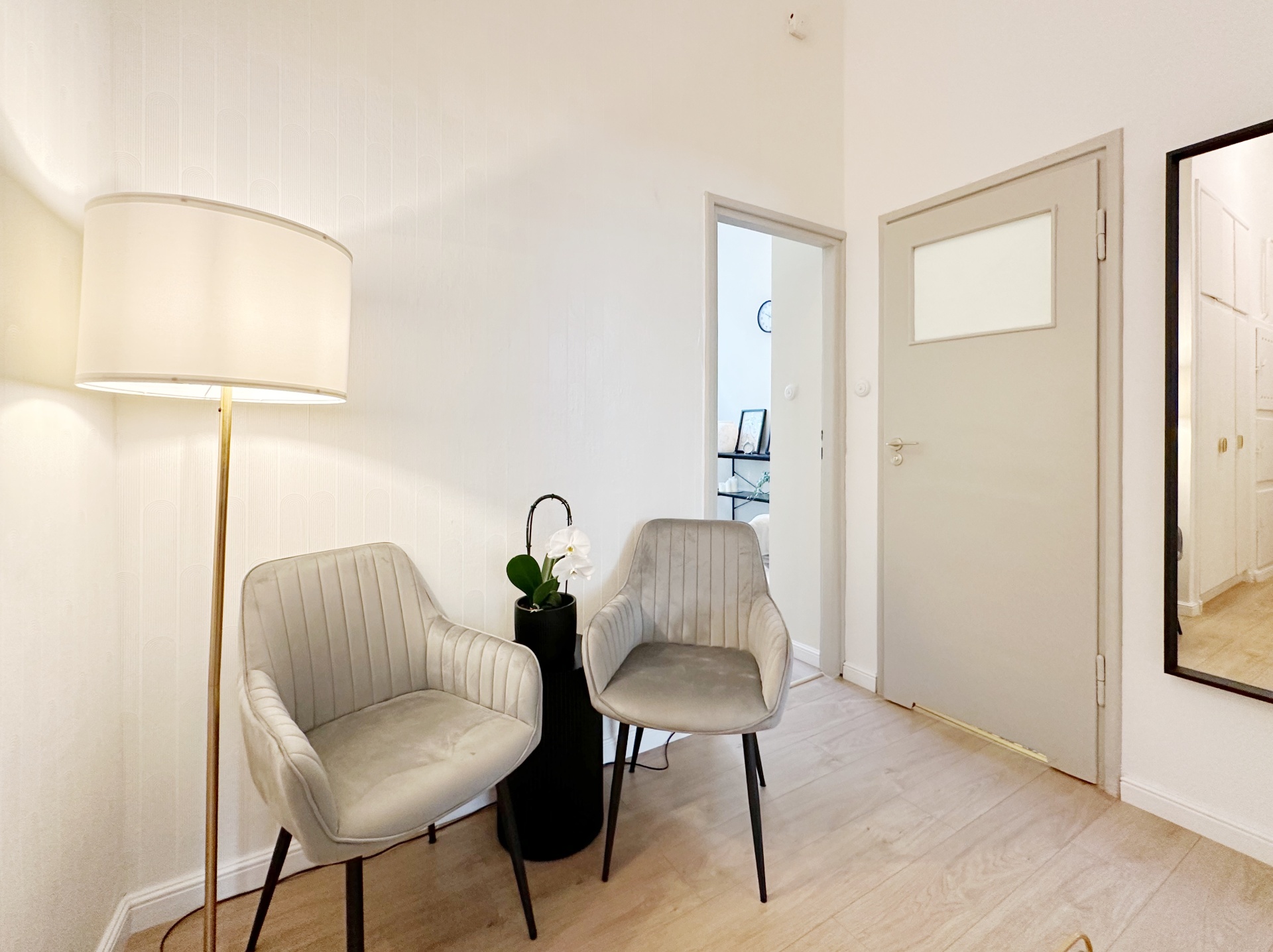
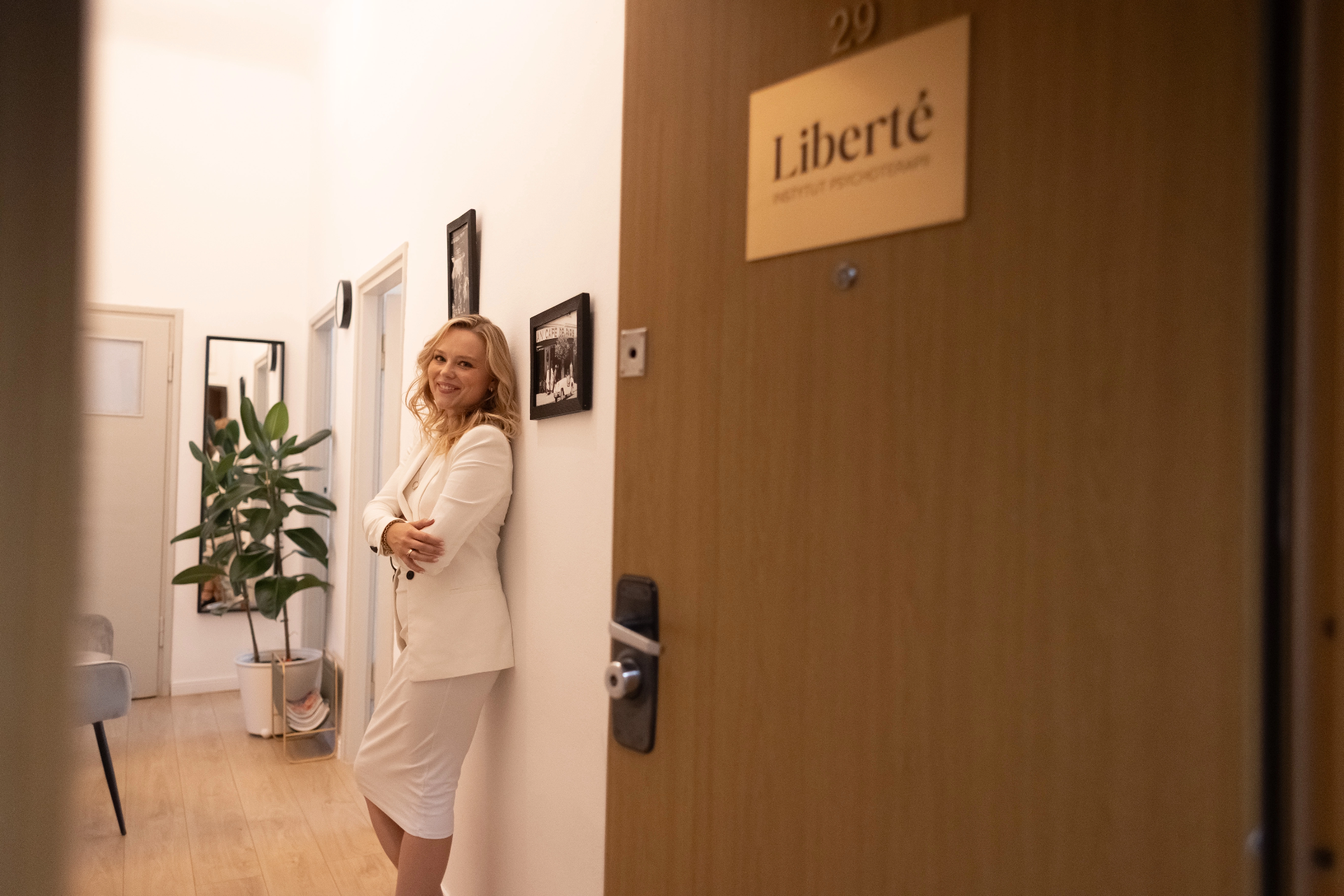
The Institute's space was designed with your comfort in mind and with full respect for your privacy. An intimate atmosphere and a carefully planned schedule for our specialists mean you won't find crowds in the waiting room.
The office is located in the heart of Warsaw, in a historic building on the Latawiec estate on Aleja Wyzwolenia, connecting Plac Zbawiciela with Plac Na Rozdrożu.




FAQ
We provide psychotherapy exclusively for adults. We specialize in working with founders, entrepreneurs and business leaders struggling with professional burnout, high pressure, identity crises and deep personality difficulties (including narcissistic and borderline spectrum). We work with real need and suffering, going deeper than coaching.
We do not provide therapy for children, adolescents, or families.
The difference concerns the depth and durability of change. Executive coaching operates on a behavioral level - it teaches ad hoc techniques and focuses on symptoms (a quick-fix method). The Liberté Institute does not provide coaching services. We offer medically structured psychotherapy of proven scientific effectiveness, which reaches the unconscious causes of difficulties, relational patterns and rigid personality structures, building lasting psychological resilience.
Yes. We work exclusively based on the Evidence-Based Medicine (EBM) paradigm. The effectiveness of the methods we use in treating mood disorders (depression, dysthymia), anxiety disorders, psychosomatic disorders and personality disorders is confirmed by numerous clinical studies. The psychodynamic approach is officially recognized and recommended by leading health institutions, including the World Health Organization (WHO) and the UK's NICE.
The process often begins with a free, 20-minute initial phone consultation that identifies the optimal clinical path. Actual therapy is initiated by a structural interview (5-7 sessions) based on a recognized diagnostic protocol (including STIPO-R). It allows for a precise assessment of personality structure and the formulation of a reliable psychotherapeutic diagnosis before deciding on long-term collaboration.
Looking for detailed information about pricing, session organization, location, or clinical standards? Find more questions and answers here →